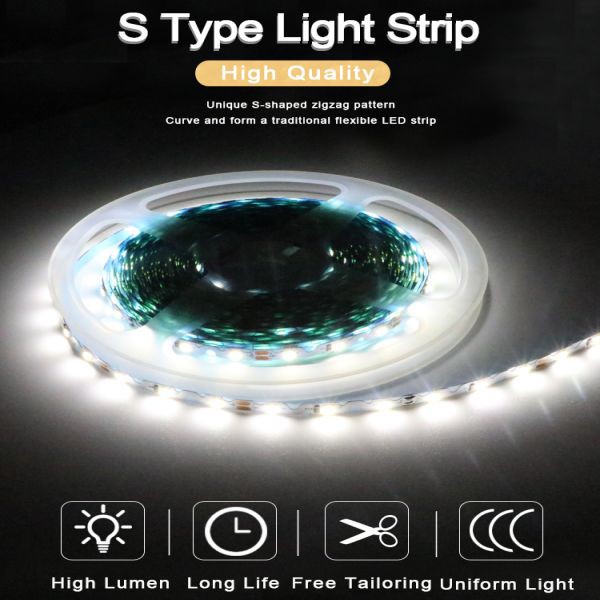
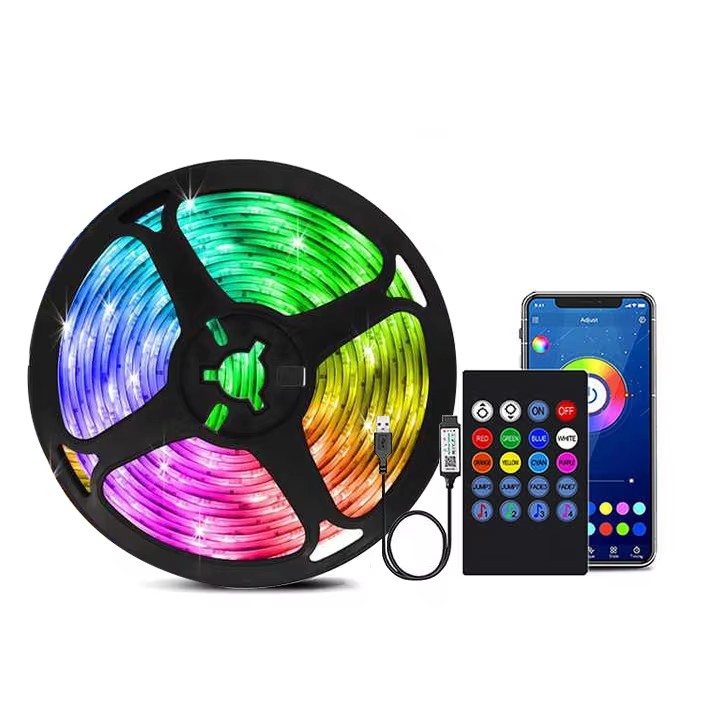
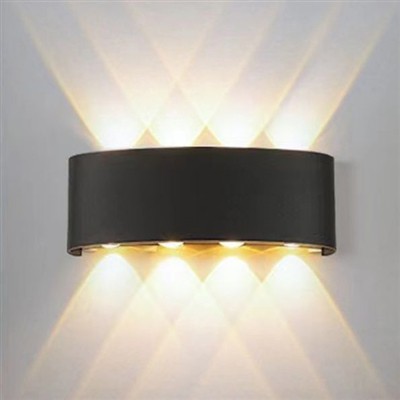
Light emitting diode (LED) is a kind of photoelectric device that applies the phenomenon of "electroluminescence". As a mainstream display and lighting product, it has also experienced a long process of development.
In 1907, British scientist Henry Joseph Round observed the "electroluminescence" phenomenon in silicon carbide materials for the first time. However, because the yellow light it emits is too dark to be used in practice, the final research did not continue.
In 1936, French physicist Georges Destriau observed the phenomenon of light emission in zinc sulfide and published the corresponding research report. George Destriau is also known as the discoverer of electroluminescence phenomenon.
With the development of transistors, semiconductor physics has made a big step forward. Finally, people can explain this light emission phenomenon and form the term "electroluminescence".
In 1962, Nick Holonyak of General Electric Company developed the first LED that can emit red visible light. On the basis of gallium arsenide, the light-emitting diodes at that time used phosphorus compounds for doping, which improved the luminous efficiency of LED and made the red light emitted brighter.
In the 1970s, with the development of new semiconductor materials, gallium phosphide was used as the light-emitting material of LED, and indium and nitrogen were introduced to enable LED to produce green light, yellow light and orange light, and the luminous efficiency was also improved to 1 lumen/watt. LEDs in this period began to be used to display characters, patterns, etc., but they were mainly used as indicators of electronic products.
In the 1980s, the luminous efficiency of LED was further improved, reaching 10 lumens/watt. At this time, LED began to be used in outdoor information publishing, photoelectric transmission, barcode system, medical equipment and other fields. In the 1990s, with the maturity of metal organic chemical vapor deposition (MOCVD) epitaxy technology, LEDs made of AlInGaP (aluminum indium gallium phosphorus) materials that can emit orange, yellow, green and red began to appear. At this time, LED products are applied to outdoor display.
Until 1994, Japanese scientist Xiuer Nakamura developed blue LED using GaN substrate. So far, the red, green and blue full color display technology has been developed rapidly, and laid the foundation for white LED. In 1997, Japan Niya Company developed the first white LED. In 2006, the luminous efficiency of white LED could reach 150 lumens/watt, exceeding that of energy-saving lamps, making it widely used in lighting.